Security Theater at Home: Why Smart Cameras and Connected Locks May Be Leaving You More Exposed
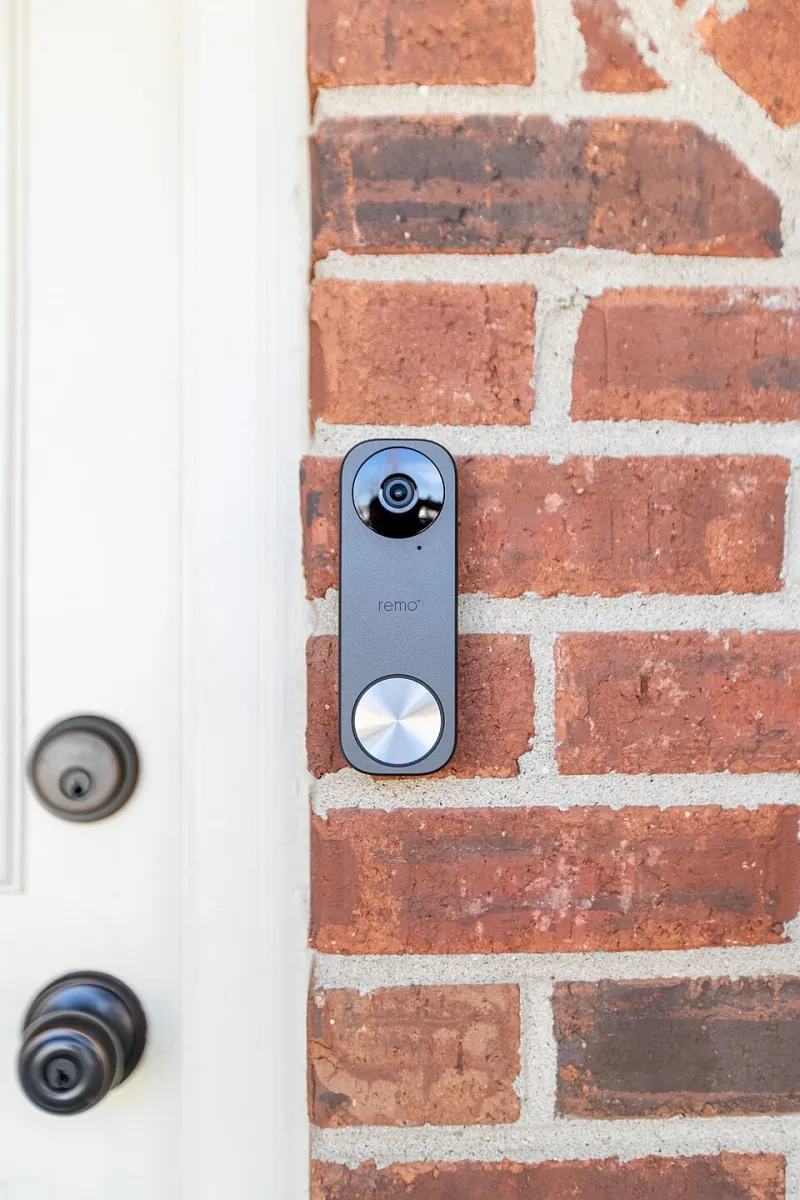
Photo: C05731, CC BY-SA 4.0, via Wikimedia Commons
The US smart home security market is now valued in the tens of billions of dollars, and the marketing language surrounding it is consistent: visibility, control, peace of mind. Ring cameras. August smart locks. Arlo floodlight systems. The implication threaded through every product page is that installing these devices makes your home safer.
Sometimes that implication is accurate. Often, it is not — and the gap between perceived security and actual security is where real harm tends to occur.
This is not an argument against smart security devices. It is an argument for understanding precisely what they do and do not protect you from, and for building a security posture that reflects that understanding rather than the marketing materials.
What Smart Security Devices Actually Protect Against
To be fair, smart cameras and connected locks do address a specific and real category of threat: the opportunistic, low-skill intruder. Research from the University of North Carolina at Charlotte has consistently found that visible security measures — cameras, signage, lighting — deter a meaningful percentage of would-be burglars who are looking for easy targets.
For that threat profile, a visible camera system is a legitimate deterrent. Motion-activated lighting with camera integration can interrupt an approach before entry is attempted. Video doorbells allow remote screening of visitors. These are real security benefits.
The problem is that smart devices simultaneously introduce an entirely different threat category that traditional deadbolts and analog cameras do not: networked attack surfaces.
The Vulnerabilities That Come With the Package
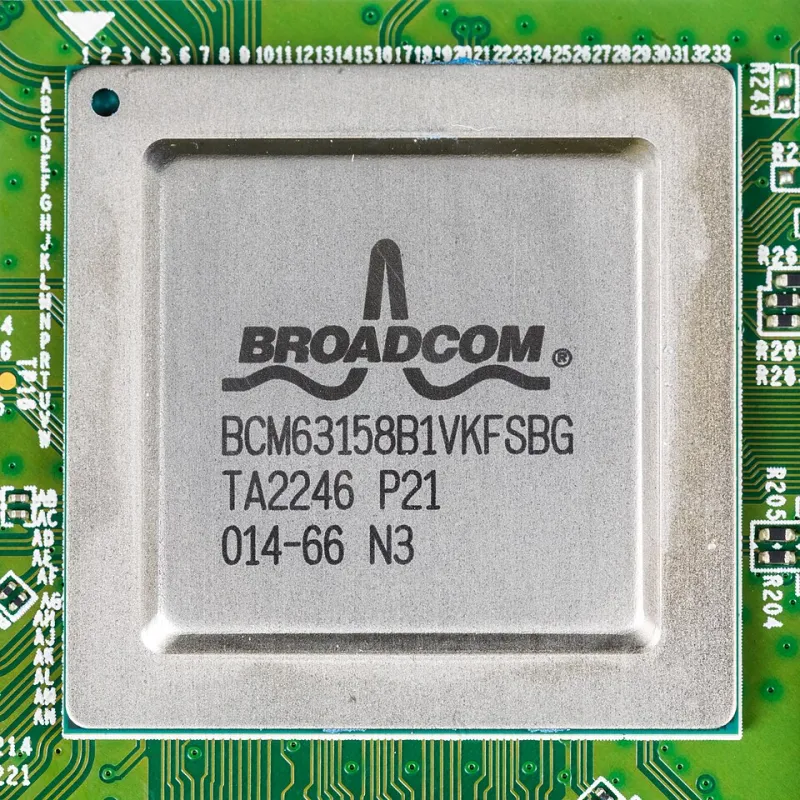
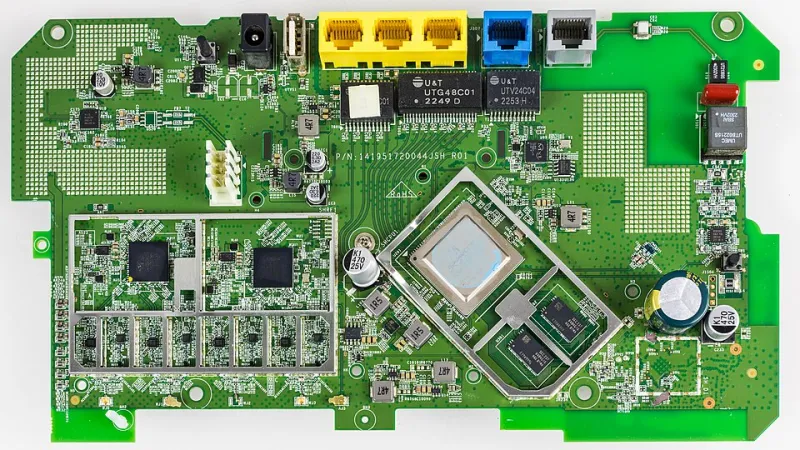
Every smart security device added to your home network is also an internet-connected computer. And internet-connected computers can be compromised.
Default and reused credentials remain the most common point of failure. Security researchers and law enforcement agencies have both documented cases in which smart cameras were accessed remotely not through sophisticated hacking but through default manufacturer passwords that owners never changed, or through credentials reused from a breached third-party account. The camera that was supposed to watch your front door becomes a live feed for someone you never authorized.
Firmware vulnerabilities persist longer than they should. Many smart security device manufacturers have inconsistent or poorly communicated update schedules. A camera running firmware from 18 months ago may contain known, publicly documented vulnerabilities. Unlike a traditional deadbolt — which does not have a software attack surface — an unpatched camera is a static target that grows less secure over time without any physical change to your home.
Cloud dependency creates single points of failure. The majority of US consumer smart security devices route video and access control through manufacturer-operated cloud infrastructure. When that infrastructure experiences an outage — as has occurred with Ring, Wyze, and others — your remote monitoring capability disappears entirely. More critically, when that infrastructure is breached, your footage and access logs may be exposed to parties far beyond your household.
Smart locks can be defeated in ways traditional locks cannot. A high-quality traditional deadbolt requires physical force or skill to bypass. A smart lock with a compromised associated account, a vulnerable Bluetooth implementation, or an unpatched Z-Wave exploit can potentially be opened without touching the hardware. This does not mean smart locks are categorically inferior — it means their security profile is different and requires different maintenance.
The False Coverage Problem
Beyond networked vulnerabilities, smart security systems frequently create what security professionals call coverage theater: the appearance of comprehensive monitoring that dissolves under examination.
A single video doorbell covers the front entrance. Side gates, rear doors, detached garages, and ground-floor windows remain unmonitored. Motion zones configured to reduce false alerts from passing cars or neighborhood pets often inadvertently exclude legitimate threat vectors. Cloud storage tiers that retain only 24 or 48 hours of footage provide no evidentiary value for crimes discovered days later.
The psychological effect of installing a camera system is confidence. The operational reality, without deliberate configuration and honest coverage assessment, is often something considerably less than that confidence implies.
A Practical Framework for Actual Home Security
The following approach treats smart devices as one component of a layered security strategy rather than a complete solution.
Start with a physical security audit before purchasing any technology. Walk your property and identify every potential entry point. Note which are currently monitored by any device and which are not. This baseline prevents the common error of concentrating technology investment on already-visible entry points while leaving genuine vulnerabilities unaddressed.
Change every default credential immediately upon device setup. Use unique, strong passwords for each device and for each associated cloud account. Enable multi-factor authentication on every platform that supports it. This single step eliminates the most common category of smart security compromise.
Establish a firmware update schedule and maintain it. Check each device manufacturer's support page quarterly. Devices that have reached end-of-life status — meaning they no longer receive security updates — should be replaced or isolated from the network, not left in place.
Segment your security devices onto a dedicated network VLAN. If your router supports it, placing cameras and smart locks on a separate network segment limits the lateral movement available to any attacker who compromises one device. This is a configuration step that meaningfully reduces your attack surface.
Select cloud storage tiers that match your actual needs. If your goal is evidentiary footage in the event of a break-in, verify that your subscription retains video long enough to be useful. Thirty days of retention is a reasonable minimum for most households.
Supplement technology with physical reinforcement. Reinforced door frames, quality deadbolts on all exterior doors, and adequate exterior lighting remain highly effective deterrents that have no software attack surface. Smart devices add value on top of these foundations — they do not replace them.
Security That Holds Up
Smart home security devices are tools, and tools are only as effective as the understanding behind their deployment. The goal of any home security posture should be genuine risk reduction — not the appearance of it.
Installing a camera because it makes you feel safer is understandable. Installing a camera after honestly assessing what it covers, what it does not cover, what vulnerabilities it introduces, and how those vulnerabilities will be managed is something different: it is informed security. That distinction is worth considerably more than any product's marketing promise.