Free Integrations, Expensive Consequences: The True Price of Smart Home Ecosystem Lock-In
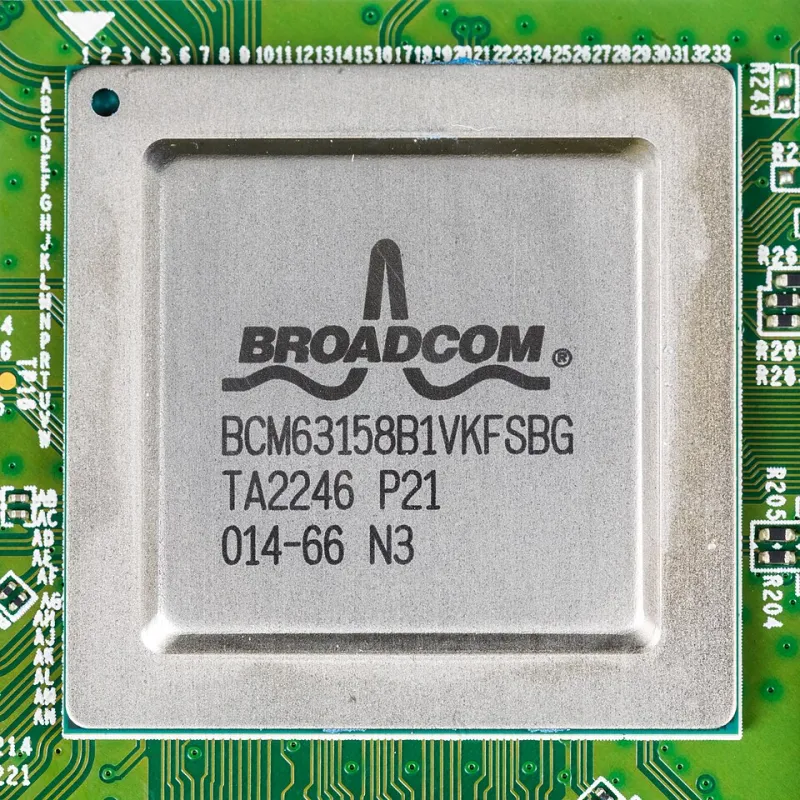
Photo: Raimond Spekking, CC BY-SA 4.0, via Wikimedia Commons
When Amazon, Google, or Apple offers seamless integration with your smart home devices at no charge, it feels like a gift. A few taps, a linked account, and suddenly your thermostat talks to your lights, your door lock responds to your morning routine, and everything operates in apparent harmony. The word "free" does a great deal of work in that sentence — and it deserves far more scrutiny than most US consumers give it.
Platform lock-in is not a conspiracy theory. It is a deliberate business strategy, and understanding how it operates financially is the first step toward making genuinely informed decisions about your home technology.
How "Free" Integration Actually Works
Smart home platforms generate revenue in several ways that have nothing to do with charging you a direct integration fee. Ecosystem data — your usage patterns, your device inventory, your daily schedule — has commercial value. Subscription upsells attached to premium features become far more attractive once your devices are deeply embedded in a platform. And perhaps most importantly, hardware replacement cycles accelerate when older devices lose compatibility with updated platform requirements.
The integration itself is rarely where the cost lives. The cost lives in what comes after: the gradual accumulation of devices, subscriptions, and behavioral dependencies that make switching platforms feel financially and logistically prohibitive.
Consider a household that has spent three years building within the Amazon Alexa ecosystem. They may own a mix of Echo devices, Alexa-native smart bulbs, a compatible thermostat, a Ring doorbell, and a security subscription through Ring Protect. Each of those purchases was individually reasonable. Collectively, they represent a significant investment in a single vendor's continued goodwill — and continued pricing restraint.
The Switching Cost Calculation Most People Skip
When evaluating any smart home platform, the question most users ask is: "What does this cost today?" The more important question is: "What would it cost me to leave in three years?"
Switching costs in the smart home space typically fall into four categories:
Hardware replacement costs. Devices that are deeply integrated with one platform often lose significant functionality — or stop working entirely — when moved to a competing ecosystem. A Zigbee or Z-Wave device may be portable; a proprietary protocol device almost certainly is not. Before committing to any product, verify whether it supports open standards like Matter or Thread, which are specifically designed to reduce this category of switching cost.
Subscription cancellation and re-enrollment costs. Many platforms tier their cloud storage, automation capabilities, or monitoring services behind monthly fees. Leaving one ecosystem often means losing stored footage, losing automation history, and paying re-enrollment fees to establish equivalent services on a new platform.
Time and configuration costs. Rebuilding automations, re-pairing devices, re-establishing routines, and retraining household members is not a weekend project for a moderately complex smart home. For a US household with 20 or more connected devices, a platform migration can represent 20 to 40 hours of technical work — time that has real value.
Compatibility gap costs. When you migrate, some devices simply will not follow. Replacing those devices at current market prices — which may be higher than what you originally paid — adds a direct financial burden to the transition.
A conservative estimate for a mid-complexity US smart home switching ecosystems: $400 to $1,200 in combined hardware, subscription, and replacement costs, plus the equivalent of several paid workdays in configuration time.
Vendor Dependency and the Pricing Leverage It Creates
Once a platform provider determines that its users are deeply invested, pricing behavior tends to shift. This is not speculation — it is observable market history. Ring's Protect subscription prices have increased since Amazon's acquisition. Nest's feature set was progressively paywalled after Google took ownership. SmartThings users have navigated multiple service restructurings that required device re-pairing and hub replacements.
This is the core financial risk of ecosystem lock-in: it transfers pricing leverage from the consumer to the vendor. A deeply embedded customer is a less price-sensitive customer, and sophisticated technology companies understand this dynamic precisely.
Practical Strategies for Reducing Lock-In Exposure
None of this means you should avoid smart home platforms entirely. It means you should engage with them strategically.
Prioritize open-standard devices. Products certified under the Matter standard are designed for cross-platform interoperability. Purchasing Matter-compatible devices wherever possible preserves future optionality without sacrificing present functionality.
Audit your subscription stack annually. Before each renewal cycle, calculate what you would lose if you canceled a given subscription and what it would cost to replicate that functionality elsewhere. This keeps you informed about your actual dependency level.
Maintain a device inventory with protocol notes. A simple spreadsheet listing each device, its communication protocol, and its platform compatibility gives you an accurate picture of your switching cost at any given moment. Most homeowners are surprised by how many proprietary-protocol devices they have accumulated.
Distribute your investment across platforms where practical. Running a secondary hub or maintaining some devices on an open local platform like Home Assistant — even for a subset of your devices — provides both a fallback option and meaningful negotiating context if a primary platform raises prices aggressively.
The Smart Calculation Before You Commit
The next time a smart home device offers seamless, free integration with your existing platform, pause before celebrating. Ask what protocol the device uses, whether it will function without that platform's cloud, what subscription tier unlocks full functionality, and whether a comparable device with open-standard support exists at a similar price point.
Free integrations are a starting point, not a final answer. The platforms that benefit most from your ecosystem investment are counting on you not to run the full numbers. SmartGuide's recommendation is straightforward: run them anyway.