Dignity by Design: Choosing Smart Technology That Supports Seniors Without Watching Them
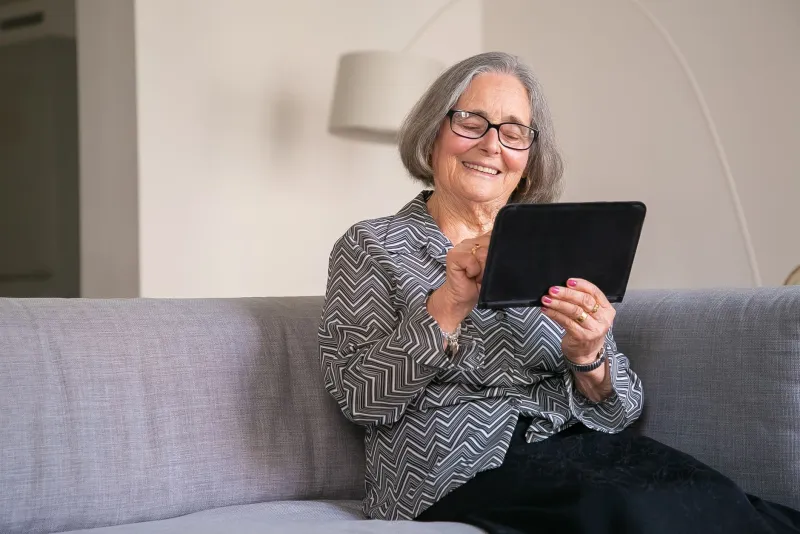
Roughly 90 percent of adults over 65 say they want to remain in their own homes as they age, according to AARP surveys. For millions of American families, smart home technology has become the bridge between that preference and the reality of adult children living hundreds of miles away.
But the category is maturing faster than the conversations families are having about it. Fall sensors, medication dispensers, and always-on cameras raise questions that a product box never answers: Who is watching? Who decides? And what does it cost an older adult in autonomy?
What the Technology Can Actually Do Today
The current generation of aging-in-place tech falls into four broad buckets:
- Passive safety monitoring. Radar-based fall detection (from companies like Vayyar and Amazon's Alexa Together ecosystem) can detect a collapse without cameras or wearables.
- Medication adherence. Automated dispensers such as those from Hero or MedMinder dispense doses on schedule and alert family members when a dose is missed.
- Environmental awareness. Smart stoves that shut off automatically, water leak sensors, and lights that illuminate a nighttime path to the bathroom address the most common causes of injury at home.
- Communication layering. Voice assistants reduce isolation and provide hands-free access to emergency calls.
Medicare Advantage plans increasingly cover some of these tools, and several states offer waiver programs that fund home monitoring as an alternative to facility care. Families should ask their plan administrator specifically — coverage is patchy and rarely advertised.
The Surveillance Question Families Avoid
Here is the uncomfortable part: the most effective monitoring is often the most intrusive. A camera in the living room catches falls with certainty, but it also captures every private moment of a person's day. Adult children who install cameras "for safety" sometimes discover, months later, that they've built a one-way window into a parent's life that neither party is comfortable with.
The better approach starts with a question rather than a product: what specific risk are we trying to reduce? A fall history justifies fall detection. A dementia diagnosis changes the calculus entirely. Vague worry is not a use case — it's a recipe for over-monitoring and resentment.
A Framework: Empowerment First, Monitoring Last
Before purchasing anything, work through these tiers in order:
- Automate the environment, not the person. Smart lighting, stove shutoffs, and leak sensors reduce risk without observing anyone. Start here.
- Prefer event-based alerts to continuous streams. A sensor that pings family only when something is wrong preserves far more dignity than a live video feed.
- Make the senior the account owner. Whoever lives in the home should control the settings, see the alerts, and be able to disable any device. Family access should be granted, not assumed.
- Revisit the setup every six months. Needs change, and yesterday's proportionate solution can become tomorrow's intrusion.
The Conversation Is the Product
The most sophisticated sensor on the market will fail if it was installed over an older adult's objections. Involve them in every decision, name the trade-offs out loud, and agree in advance on what data is collected and who sees it.
Technology can genuinely extend independent living by years. But the goal isn't a monitored home — it's a supported life. The best aging-in-place setups are the ones the senior would choose for themselves.